Troubleshooting
Posting too much online can turn your social media into a goldmine for hackers, identity thieves, and even employers. These 10 dangers of oversharing reveal how your personal details could be exploited—and how to protect yourself before it’s too late.
Identity theft through personal details
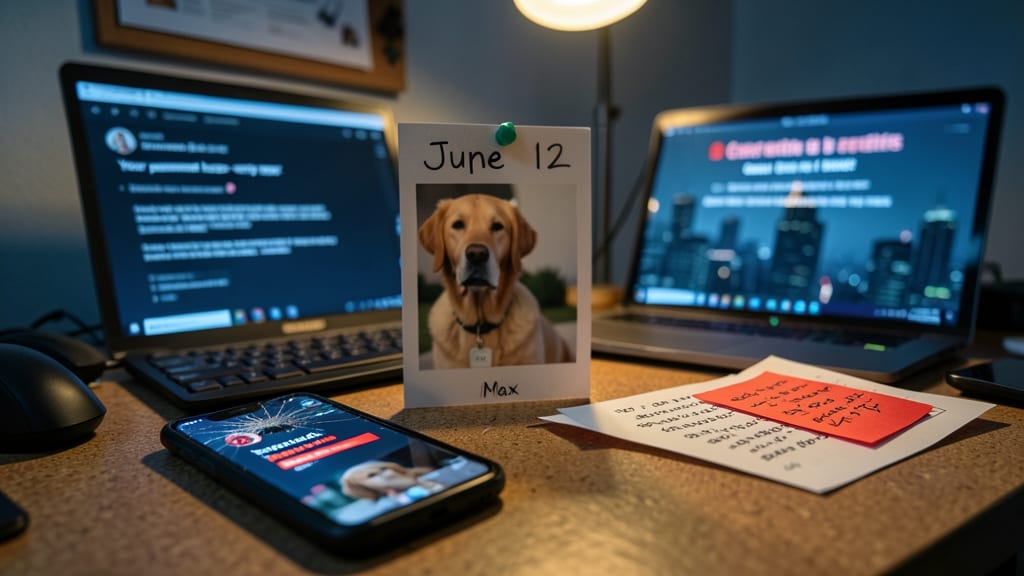
You might think sharing your birthday or pet’s name is harmless—but cybercriminals use these details to reset passwords and hijack your accounts. A staggering 65% of data breaches involve compromised credentials, and oversharing on social media makes you an easy target.
Most platforms require security questions like your first pet’s name, mother’s maiden name, or childhood city. If you’ve posted these publicly, hackers can exploit them to bypass two-factor authentication (2FA) or trick password recovery systems. Even "private" posts can be screenshotted or leaked, leaving your email, bank accounts, and social profiles at risk.
This threat isn’t just for tech novices—celebrities, executives, and everyday users fall victim daily. Start by reviewing your social media profiles for personal details, then enable strong password managers (like Bitwarden or 1Password) to generate and store unique credentials. ⚡
Location tracking for home invasions
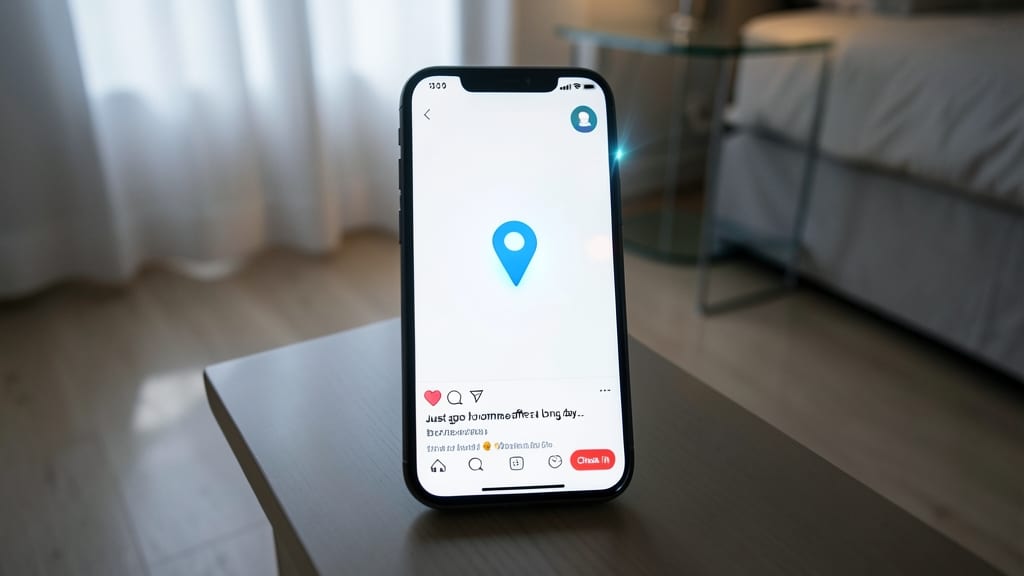
Ever posted a selfie with a "Check In" on Instagram or tagged a photo with your home’s exact location? That tiny GPS dot might seem harmless, but it’s a real-time invitation for burglars to scope out when you’re away.
Criminals use tools like Google Maps or social media geotags to track your routine—late-night posts from the gym, weekend trips, or even "I’m home alone" updates. A 2023 FBI report found that 30% of home burglaries were linked to victims’ oversharing online. Even "private" stories can be screenshotted and shared.
Homeowners and frequent travelers should disable geotagging in app settings, avoid posting live locations, and use smart home cameras with motion alerts instead. A little privacy tweak could save you from a home invasion nightmare. 💻
Job loss from controversial posts
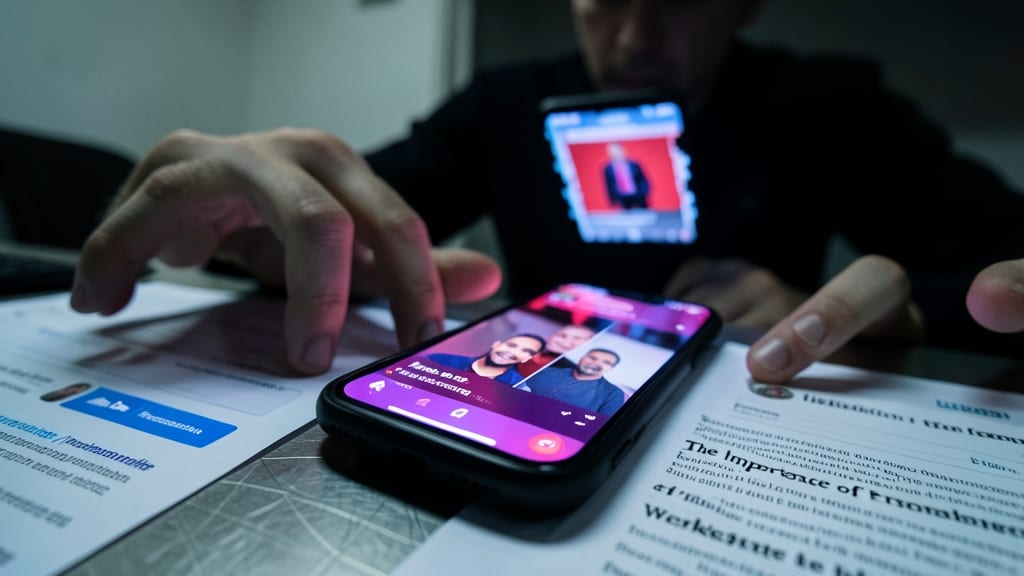
You might think your private social media posts are safe from prying eyes—but a single screenshot can derail your career. Employers and clients increasingly scout profiles before hiring or working with someone, and controversial content about politics, religion, or unprofessional behavior can lead to termination.
Case studies show that 37% of HR professionals admit to checking candidates’ social media, while 48% of companies have fired employees over offensive posts. Even deleted content can resurface, and platforms like LinkedIn now flag posts that violate professional conduct policies. The risk isn’t just job loss—it can also damage your reputation long-term.
Freelancers, remote workers, and job seekers are most vulnerable, but no one is immune. A quick privacy audit—limiting audience settings and avoiding heated debates—can prevent a viral post from becoming your career’s downfall. 💻
Phishing scams using shared information

That vacation photo album isn’t just for memories—it’s a treasure map for cybercriminals. Scammers study your posts to craft hyper-personalized phishing emails pretending to be from airlines, hotels, or even friends, tricking you into clicking malicious links or downloading malware disguised as "travel tips" or "boarding passes."
These attacks go beyond generic "Nigerian prince" scams. A hacker might send you a fake message like, "Your Airbnb reservation is canceled—click here to rebook!" using your actual travel dates and destinations. Even hobby-related posts (e.g., "Just got my new fishing gear—check out this deal!") can trigger scams like fake gear discounts leading to keylogger-infected files.
Freelancers, remote workers, and hobbyists are prime targets—anyone who shares enough details to make a fake message feel authentic. Always verify unexpected links and enable multi-factor authentication on accounts tied to your interests. 💡
Stalking and harassment risks

Your daily routine—morning coffee spots, gym times, or even relationship updates—might seem harmless, but posting them online can turn your life into an open playbook for stalkers and harassers. Predators and obsessive followers often lurk in the shadows of public profiles, waiting for details to exploit.
Sharing real-time locations (like checking into a gym or café) or personal milestones (like anniversaries or breakups) gives strangers the tools to track, manipulate, or even approach you. Platforms like Instagram’s "Close Friends" lists or Facebook’s audience restrictions can help, but many users overlook how easily screenshots or third-party apps can bypass these settings. Even seemingly innocent posts—like your weekly workout schedule—can be used to plan unwanted encounters.
This risk isn’t just theoretical: 41% of women and 25% of men report experiencing harassment online, often tied to oversharing. If you’re a public figure, activist, or simply someone who values privacy, auditing your posts and using two-factor authentication can be a lifeline. 💻
Blackmail and extortion threats
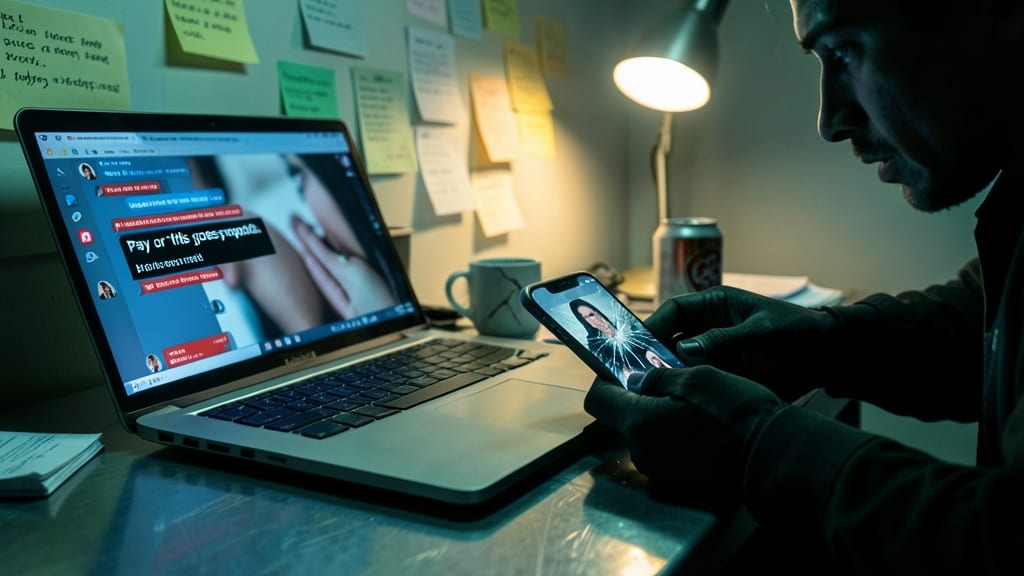
One private message or compromising photo can become a weapon in the wrong hands. Hackers, ex-partners, or cybercriminals often exploit embarrassing content to demand money, favors, or emotional control—leaving victims trapped in silent crises.
This form of digital extortion thrives on stolen data from breaches, hacked accounts, or even screenshots of "private" conversations. Attackers may demand cryptocurrency payments under threat of exposing secrets, with no guarantees of discretion. Even deleted content can resurface if backed up or shared elsewhere.
Anyone with sensitive personal or professional content online should enable end-to-end encryption (Signal, WhatsApp) and audit old posts for blackmail risks. 💪
Social engineering attacks on friends
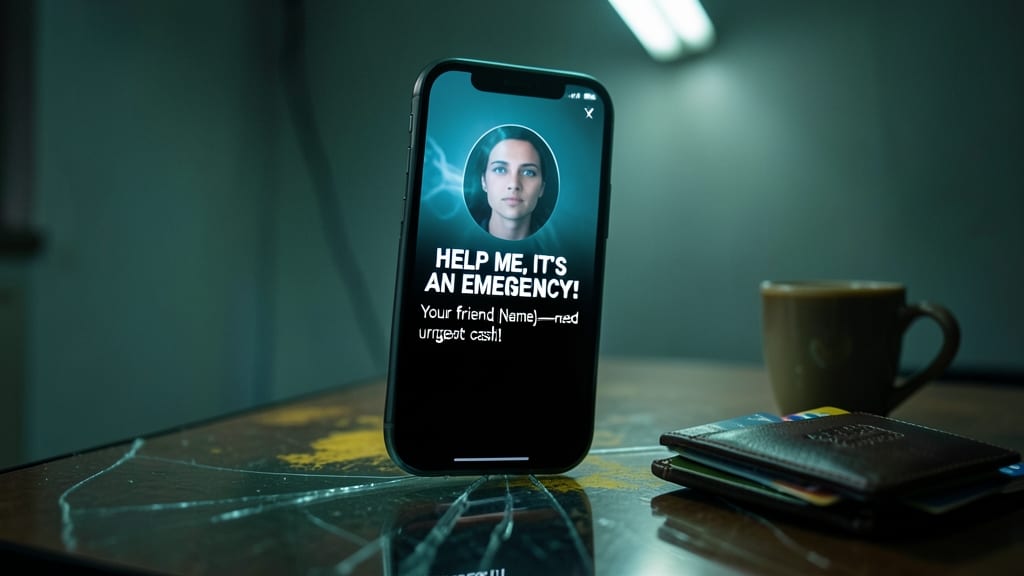
Imagine getting a panicked message from a "friend" asking for urgent help—only to later discover it’s a fake account impersonating you. Hackers exploit trust by creating cloned social media profiles to manipulate your contacts into revealing sensitive data or sending money under false pretenses.
These attacks often involve highly convincing fake messages, such as "I’ve been in a car accident" or "My wallet was stolen—send gift cards immediately." Criminals use stolen photos, voice recordings, or publicly available details to make the impersonation seamless. Once they gain access to your contacts, they exploit emotional triggers to bypass security questions or trick victims into sharing financial information.
This tactic is especially dangerous because it targets people you know and trust. Small business owners, parents, and professionals are common victims, as hackers leverage personal relationships to bypass traditional security measures. Always verify unexpected requests through a separate, trusted communication channel. 💻
Insurance fraud from health updates
That "vague" post about your back injury or migraine might seem harmless—but fraudsters monitor social media for clues to exploit. A single update about a sprained ankle or chronic condition can trigger fake insurance claims filed against you, leaving you to prove you never filed the original claim.
Criminals use public health updates to fabricate injuries, surgeries, or even mental health struggles, then submit them as legitimate claims to your insurer. Worse, some scammers cross-reference posts with medical records leaked in data breaches, creating a full picture of vulnerabilities. Even "private" stories can resurface when screenshotted or shared by acquaintances.
If you’ve ever posted about a doctor’s visit, prescription, or recovery timeline, you’re at risk. Patients with pre-existing conditions or recent surgeries are prime targets—fraudsters bet insurers will pay out faster than they can verify. Double-check your privacy settings and avoid tagging healthcare providers in posts. ✨
Targeted advertising and data selling
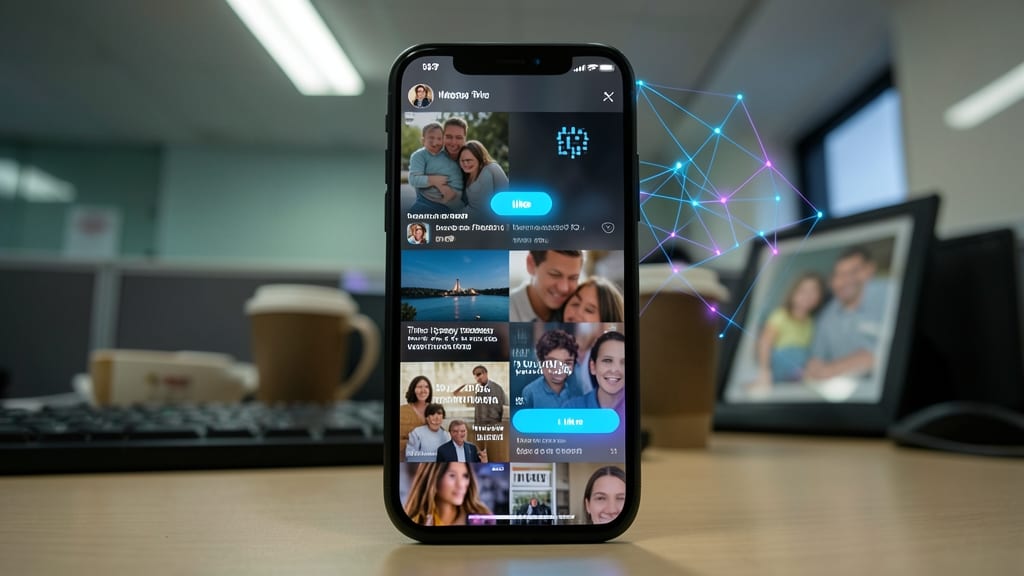
Your casual "like" on a post isn’t just a quick reaction—it’s a data point being harvested by third-party trackers like Meta’s Meta Pixel or Google’s FLoC. These tools stitch together your browsing history, interests, and even offline purchases to create hyper-targeted ads, often sold to the highest bidder without your consent.
Platforms like Facebook and Instagram use cookie-based tracking to follow you across websites, while apps silently sync your activity with data brokers like Acxiom or Experian. A single post can trigger microtargeted ads appearing on unrelated sites, and your search history might be bundled into anonymous datasets sold to corporations. Even "private" accounts leak data through API leaks or background tracking pixels.
If you’re concerned about privacy, start by disabling ad personalization in platform settings and using browser extensions like uBlock Origin to block trackers. For extra protection, consider a VPN to obscure your IP when browsing. 🌟
Legal consequences for misleading posts
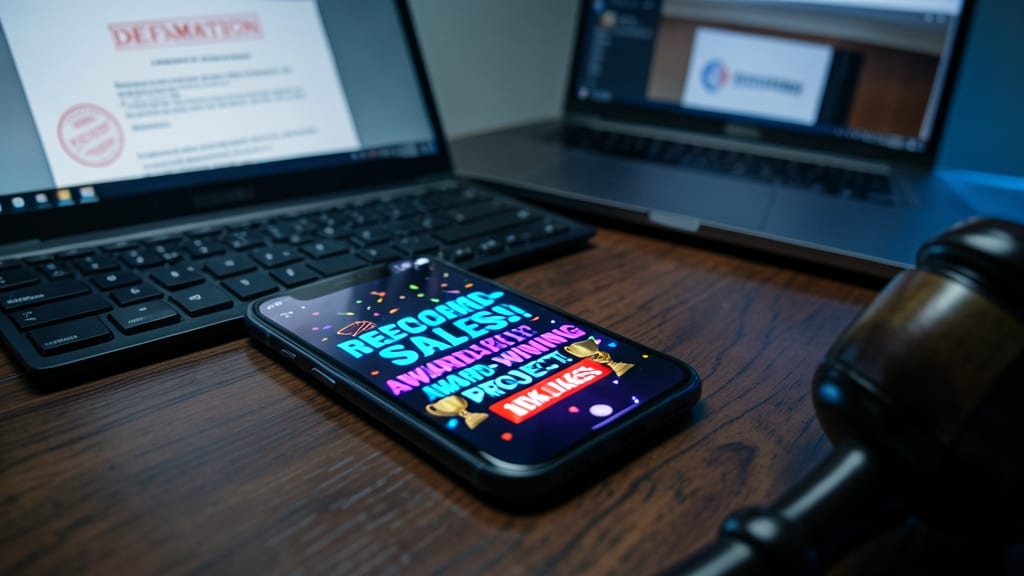
That viral post about your "record-breaking" sales or "award-winning" project might seem harmless—but if it’s false, you could face legal consequences. Defamation laws treat misleading claims as serious offenses, especially when they damage someone’s reputation or business.
Courts have ruled against individuals and companies for fake testimonials, inflated credentials, or misleading product claims posted online. Even a single tweet or review could trigger lawsuits, with damages ranging from $5,000 to millions, depending on intent and impact. Platforms like LinkedIn and Facebook now flag suspicious posts, and competitors or clients may report them.
Small business owners, freelancers, and influencers are most at risk—but anyone can be sued for false endorsements or fabricated achievements. Always verify facts before posting, and consider consulting a lawyer if you’re unsure. 💻